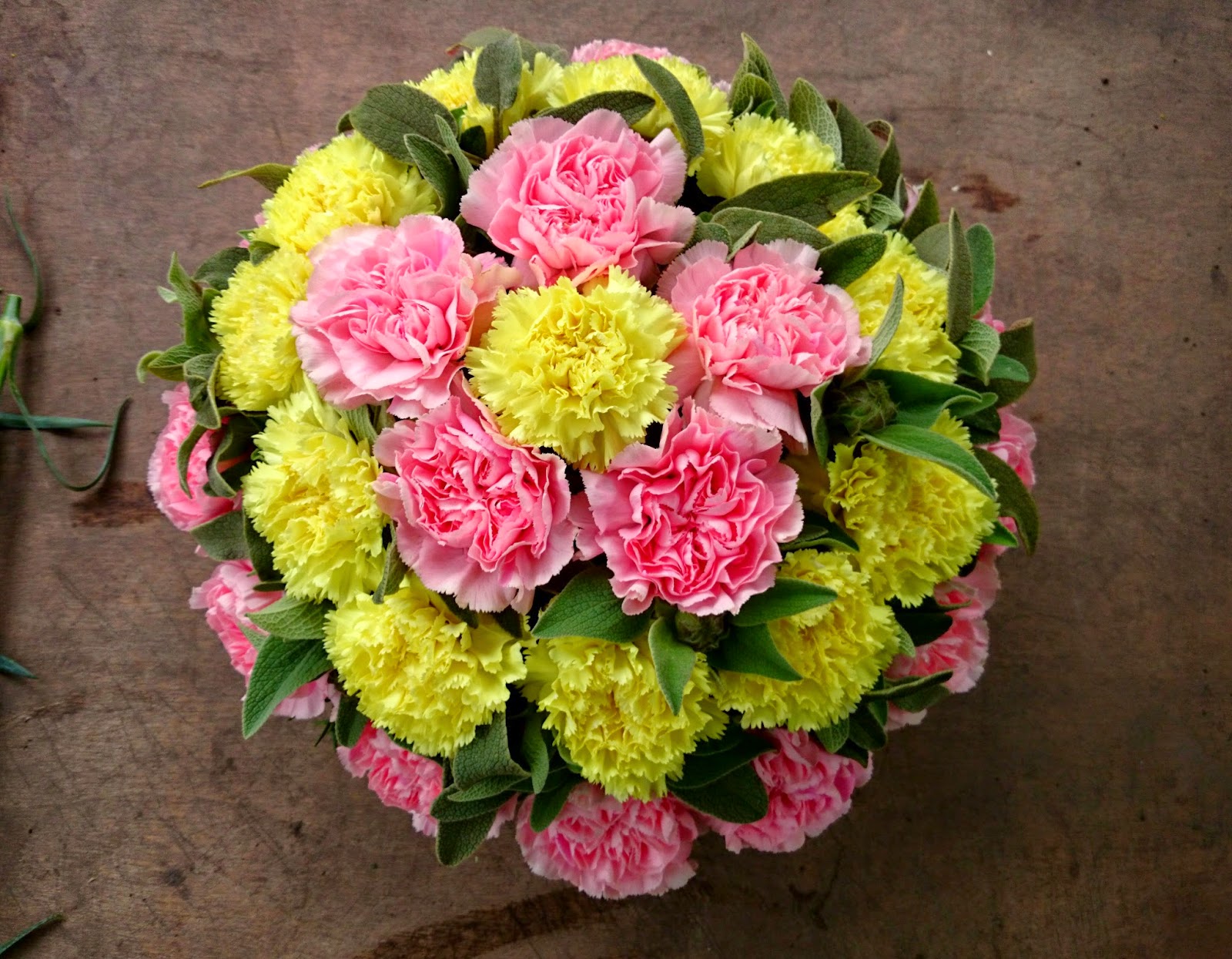
Following on from Friday morning's The Girl Upstairs post, here is the second half of Helen's story. The part I really don't want to write.

I didn't manage to write on Friday evening. I went round to Helen's parents after work and sat talking to her mother Anne at the same table where my friend had been eating her lunch the last time I saw her. It was bittersweet - it's so nice to talk to and listen to someone who loved Helen so much, but I wish with my whole heart that it was under different circumstances (Helen working abroad for a while or something nice like that). While I was there, Paul's mother dropped round with a plant for Anne and they had a chat in the garden. It was good to see how caring and supportive their neighbours are. My mood dropped badly on Saturday. I eventually did some gardening, which helped. Even weeding, which I'm not keen on usually. And I took my sister out and tried to soothe her when she had a meltdown later.

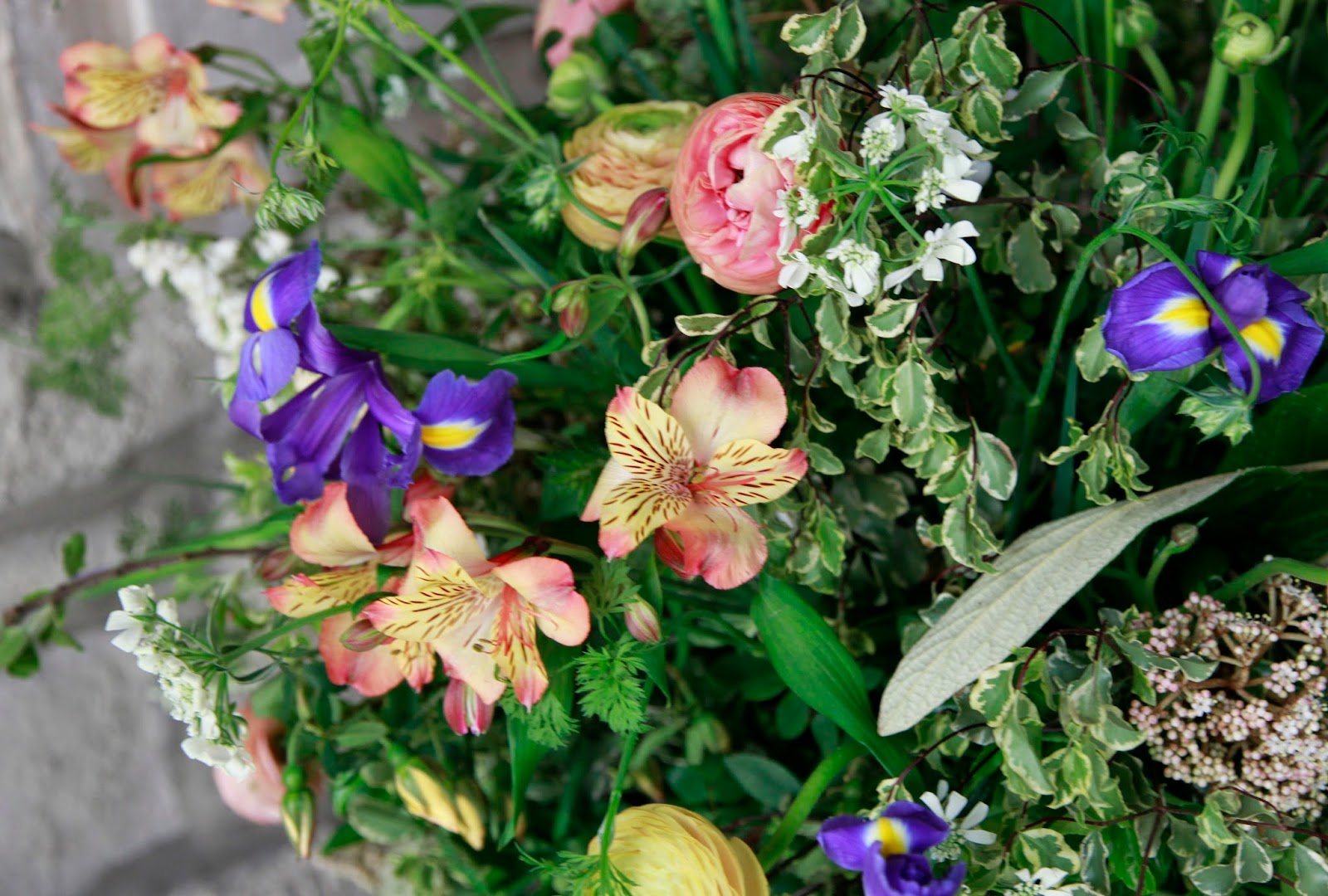
I found the photo above on Sunday when I started writing this - it was taken at the flower market cafe when Helen and I went there after she got engaged, and Helen had chosen colour cards to show which blues and yellows she liked the best. The blue called "Never Grow Up" breaks my heart a little now, because she didn't grow up much after that. She'll never be more than thirty-nine years old. But I like the names of some of the other cards: "Moment of Grace", because grace was a word used to describe her at the funeral; "Frites" because she studied French and loved France; "Cornflower Meadow" because she suddenly texted me after our visit to the flower market and asked if she could have cornflowers for her wedding. There were also cornflowers in the bouquet she modelled in the lavender field. And "English Primrose" is lovely because primroses symbolise childhood. I often think that primroses might be the perfect flower to give for Mother's Day. Primrose was the name of the little sister in The Hunger Games, and we saw the first and last films together at the Bromley Empire, both of us feeling pretty miserable as we stepped out into the evening darkness after the last film.
My engagement card to Helen and Nick is just underneath the colour cards in the photo. It had this quote by Einstein: "Gravitation cannot be held responsible for people falling in love. How on earth can you explain in terms of chemistry and physics so important a biological phenomenon as first love? Put your hand on a stove for a minute and it seems like an hour. Sit with that special girl for an hour and it seems like a minute. That's relativity." I had never known her to be so wildly in love or so happy.

There are dates which stand out - her birthday, the day she told me she was engaged, her wedding day, Christmas Eve. And then the day she died and her funeral day. 16 March 2017 also stands out for me. I knew she was in hospital by this point because her mother had told me, but I hoped that she would be home and on the mend in time for her first wedding anniversary. I had a job interview at a secondary school that morning and I took a photo of the cherry blossom while I waited outside. The cherry blossom had been in flower when Helen told me she was engaged two years before. It was blossoming again when she died and its symbolism - impermanence - has never been more disdainful to me.
I got the job as a school counsellor straight away, and I was looking forward to Helen getting better and being able to tell her and talk to her about working in a school - she had been a secondary school teacher for years. We'd had different careers, so I thought: how lovely - now we have something in common. I had asked Anne a few days before if I could drop round on the evening of the 16th when she got home from visiting the hospital, and she'd said yes. But when I got home from the job interview, I got a message telling me that Helen had been diagnosed with cancer that day.
I'm stalling now. I don't know what to say about this. What is there to say? She hadn't even been married a year. She had been suffering for a long time, and had gone through several tests, but cancer wasn't detected earlier. And now she was told she had secondary cancer and they didn't know the primary source. She was told she could expect to live another 18 months, with treatment. She had an ileostomy, so all of a sudden her diet was restricted and she had to get into a routine of using a stoma bag. It would be months until she would really talk to me about what she went through, and she would describe the shock of experiencing one horror after another and having no time to process what had happened. On her first wedding anniversary, instead of going out for a romantic celebration with her husband, she had her first chemotherapy treatment. I've said these words out loud, but seeing them written down somehow reiterates how relentlessly cruel life was to her. And again, talking to her much later, it was hard not to feel angry and confused - there is so much in the news about what we should be doing and not doing to reduce our risk of cancer, but Helen was a young woman who ate healthily, exercised regularly, never smoked, and hardly drank alcohol. It's hard, even now, to accept what happened to her.
As a friend, it's hard to grieve. I feel like I don't have the right to be this upset, because I'm not her family (although she feels like family). I feel like I keep losing people my age, and without meaning to sound self-pitying, it's hard each time because I think: why them and not me? I don't mean to sound as rubbish as I probably do, and I'm not talking about trading places exactly, but I mean how is it that fate decided that this particular 38-year-old woman who had just started her married life should be the next person to get cancer? At one point I know I said something along these lines to Anne and immediately wished I hadn't. I can't remember what she said back to me, but it was incredibly kind. And as a mother, she wanted to trade places more than I could ever imagine.
For the next year, Helen would embrace life as much as she could, but her illness never seemed to give her a break. She would experience so many losses because of the cancer. One of them was losing the chance to have children - she had wanted children for as long as I can remember. She was upset when she made plans with family or friends and had to cancel them, she was fed up of not being able to eat the healthy things she used to love because of the stoma and how it made it difficult when she was going out for a meal (she couldn't have fruit or vegetable skins or seeds, or dried fruit, or nuts or seeds, or anything high in fibre), and she felt more ill, tired, and in pain than she'd let on. She had side effects from treatment which meant her hands were always cold and she had to wear gloves when taking things out of the fridge, and she got neuropathy. She couldn't go to dance classes anymore, and she couldn't wear the beautiful dance clothes that she used to. As someone who'd wanted to be a dancer since she was a little girl, this loss must have been devastating for her. She talked about this once to me, in her understated way: "I'll never wear those clothes again." She shrugged her shoulders and looked away, and I sat there knowing I couldn't say or do anything to make it better. She asked me what would it feel like when she died. I wish I knew the exact answer, I thought. And I thought, how the hell have we got here, where we're having this conversation? We were two teenagers working on Sundays for pocket money and studying for our A-levels. One of our first conversations was: "Who do you prefer, Oasis or Blur?" Twenty-two years later, we're talking about what it will physically feel like when she dies within the next year. It's just so wrong.
Having said all that, there were some nice moments in the last year. She went away to Blenheim Palace and Bath with her husband, she went on trips to the theatre with her friends, her husband, and her parents, she organised and ran a Macmillan coffee morning with her mother, and she went Christmas shopping with her nieces in Bluewater. I am lucky to have some wonderful memories of her from the last year: the first time I had tea with her in a cafe after she was diagnosed and her gorgeous smile as she sat across from me; watching her father's DVD of Breakfast at Tiffany's with her because she'd never seen it before, and giving her a hug goodbye after she walked with me to the train station; the last time she made me cups of tea, setting out the table beautifully as she always did, and both of crying as we talked; watching Emma Rice's last production at The Globe with her and chatting to an Australian girl who asked us about our friendship; our last Christmas Eve in Bromley and the last time she handed me a Christmas card and gift. Even our text conversations earlier this year. One morning she wanted to check I was ok because I'd had a difficult day at work, and I thought wow - with everything she was going through, she still managed to be concerned about me.
Helen died at home, which was where she wanted to be, looked after by her mother and husband in her parents' house. It's an incredible kindness for a family to look after their loved one in their last days at home. I don't remember everything Anne said when she phoned me later that morning to tell me the news, but I will never forget the devastating sound she made at the end of the call. It was the cry of someone who had just had their insides ripped out.
Helen's funeral was a couple of weeks later. In a case of awful timing, I had booked my first holiday abroad in years, to France of all places, and I had the unfamiliar problem of not being able to collect and condition the flowers myself. I placed the order with the lovely guys at C. J. Love before I went away and got out all the buckets and tools, and my hardworking father picked the flowers up, prepared and conditioned them according to the instructions I'd left, and cut flowers and foliage from the garden as well.
It was a strange time to go away. Five days before Helen died, my disabled sister had been in a fire. Her care home - where I had visited her just 36 hours before - had a fire in the early hours of the morning, and the residents were evacuated. One resident died, which is horrifically sad. It was a hell of a shock to wake up to, and I've never hugged my little sister as often or as tightly as I have since the fire. But it's made it more difficult to grieve - the days I am struggling the most and just want to be alone are inevitably the days my sister's having meltdowns and needing my support. It wouldn't be so bad if it was just giving her a hug and a tissue if she's crying, but it's often taking the physical brunt of her anger and frustration and constantly trying to calm her down and keep her safe, and clean up the mess she makes when she's angry. All of this is hard anyway, but especially tough when you're feeling particularly fragile. But what can you do? You get on with it.

I'm not religious, but while I was away I found myself walking up the hill to the old part of town where there is a Hollywood-style Cannes sign next to a church. In a strange moment of synchronicity, I couldn't go into the church straight away because there was a funeral just finishing. So I sat on a bench outside and checked my phone - Anne had just emailed me to tell me to enjoy my holiday in Helen's beloved France and to try not to be sad. I went into the church and lit two candles - one for my sister and one for Helen. I don't pray. I can't pray. But lighting candles feels like I'm doing something when I can't do anything. I just sat down in the church and thought about both of them for a while.


I came back to a smoggy London heatwave and just missed Anne who had dropped off some white roses and gysophila to use for her posy, and some leylandii from her garden. White roses are a symbol of love but can also mean silence. Gypsophila, one of the flowers Helen pointed out in our walk around the flower market, represents everlasting love. When Anne offered cuttings from her garden, I was grateful for the leylandii - cypress is a symbol of mourning, and it seemed appropriate that this symbol should come from Helen's parents' home where she had spent her last ten days and where her absence is felt so profoundly. I included it in the coffin spray and used it as a collar for the posy from Helen's parents.


I had ordered the same yellow Catalina roses that we used for the wedding flowers, and scented Beatrice and White O'Hara roses. Beatrice is a new variety from David Austin Roses, and the yellow-peachy colour was beautiful and they smelt lovely.

There was white and purple lilac from the garden - I used both in the coffin spray and the scented white lilac in the posy for Helen's eldest niece. Lilac means first emotions of love in the language of flowers, and I remember Helen gushing with love when she first had a niece. (Of course she gushed over her second niece, too.) White lilac in particular symbolises youthful innocence.


I used Solomon's Seal, which I've only ever used before when I did the flowers at the Garden Museum. It means wisdom. I got cornflowers, which Helen had liked so much and which symbolise delicacy. Bouvardia symbolises enthusiasm, which seemed perfect for Helen - someone who was so excited about the things she did, whether it was dancing or the book she was currently reading. Guelder rose is so pretty and the gentle green flowers somehow feel like a bridge between the flowers and the foliage. I didn't choose it for its meaning, but it means winter or age in the language of flowers. Helen was born in the winter and suffered from the cold spring we had this year, but the sun shone warmly during her last days and there was a double rainbow on the day she died.


I used rosemary for remembrance, eucalyptus for protection, and apple mint from the garden for warmth. I also used olive for the first time - it is famously a sign of peace. I often use euonymus for greening up, because its bulkiness is good for covering up mechanics, although the stems have a tendency to snap if you're not careful.


Anne asked for a posy from her and Helen's father, and two posies from Helen's nieces. I made these on the night before the funeral, and in the morning I was about to add flowers to the coffin spray when I saw the three posies. They looked like bouquets for a wedding and I cried because I was working in the same room where I'd done Helen and Nick's wedding flowers two years before, and I couldn't believe Helen wasn't here now. I listened to the soundtrack of a French film we loved, and added the tiny, fragile forget-me-nots to the coffin spray. Forget-me-nots are my favourite flower, but I'd never shed tears using them before. I wish I'd had more time to make everything look better. I had to hurry because I needed to deliver the flowers to the funeral director in time and get ready for the funeral. I also wanted to drop the leftover flowers off at the hotel where the reception would be held. Anne told me I didn't need to, but there were so many flowers left, it seemed like the best thing to do. Maybe I misjudged that.

As I left Helen's flowers with the others that people had sent her, the funeral director gently said to me, "Don't worry. We'll look after them." I thanked him and left, and stopped holding my tears in. I wanted to say, "I don't mind about the flowers so much, but will you look after her?"
I think I'm going to stop now. I've written so much already, and if I start writing about the funeral itself I don't think I'll ever stop. And I guess part of me doesn't want to stop. So maybe I'll come back and write some more another day.
There are articles by Cancer Research here about preparing to die if you or someone you love has cancer.
The Samaritans is free to call at any time from the UK or ROI on 116123. You can find them here.
Finally, I recommend Carrying the Elephant by Michael Rosen for anyone grieving, but especially for parents. It's a collection of prose poems written after Michael's 18-year-old son Eddie died of meningococcal septicaemia. Along with making yourself eat and drink even when you don't feel like it, resting even if you have trouble sleeping, and getting some fresh air when you feel like hibernating, the poems are bereavement first aid for me.