Showing posts with label Campanula. Show all posts

Wednesday, 20 June 2018

British Flowers Week 2018: Canterbury bells


After a couple of years of nurturing and patience, my Canterbury bells, which I grew from Hardy's Cottage Garden Plants seeds, flowered this year.


I used campanula for Mother's Day a few years ago - you can read about their symbolism here, and why they are a lovely flower to give to someone.


And here they are now with scented roses and pink escallonia from the garden.


Monday, 4 January 2016

Back to work blues


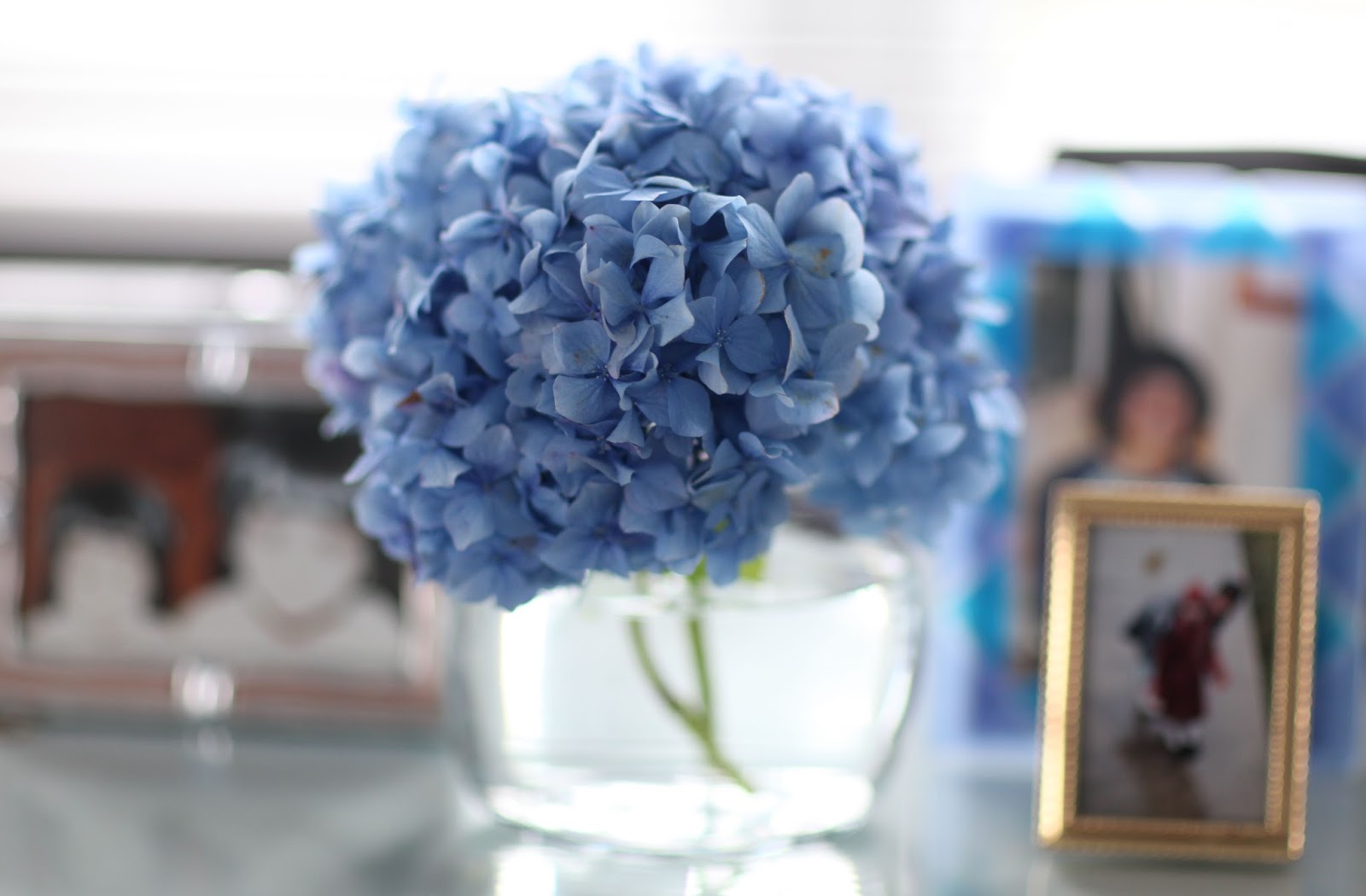
Was today too much like hard work, with the return to work, school or college causing you to crawl out of bed at a snail's pace this morning, and long to go back to bed as soon as possible? Like a lot of people, I found the jolt back to my usual routine unwelcome and abrupt. My sister went back to her care home yesterday, and I always feel blue when she's out of London.


She's the blurry baby on the far left, and the tiny blur in a red coat on the right. It was raining on the day the gold-framed photo was taken.


Of course, it ended up raining today.


A Twitter observation on the blueness of this Monday got me to think about blue flowers. I'd already shared photos of bluebells this morning on Facebook and Twitter, as bluebells symbolise constancy (which I thought would be a comfort, given the unsettling return to work) as well as kindness and gratitude.


But more blue flowers wouldn't go amiss.


So here are some Monday blues. A lot of these are British flowers: bluebells, forget-me-nots, hyacinths, cornflowers, nigella, delphiniums, flax, lavender, muscari, sweet peas and scabious. And there are also roses, gentian, irises, and campanula. I've been a bit licentious about what counts as blue, but so are the people who name flower varieties! Blue flowers often have a fantastic scent as well, which is a lovely bonus. Happy Monday!


Thursday, 3 April 2014

RHS Great London Plant Fair


I filled in a survey for the RHS a few months ago. Some of the questions asked whether RHS membership was good value for money or not. I realised it is very good value for money, provided you make use of it, which I haven't really in the three years I've been a member.  So I vowed to make more of an effort and visit its gardens and partner gardens more often, and go to the London shows held in the RHS Horticultural Halls (which are free for members).

So after a heavy day of co-facilitating group counselling, followed by supervision, I got a train to Victoria and walked over to the halls, passing several people with narcissi-filled bags on the way!

The displays and the plants for sale in the Lawrence and Lindley Halls were a wonderful taste of spring, while the Early Daffodil Competition filled a wall with daffodils large and small. The RHS also ran tours of the Lindley Library in keeping with the theme of the show - gardening in a changing climate. We were shown huge, painstakingly written and preserved books and artworks from different eras, starting with the 1580s, and going all the way up to this century. It is amazing that botanical drawings were copied by hand, losing details and accuracy along the way. Some images, such as a drawing we saw of a banana plant, were not drawn accurately in the first place, and subsequent books featured hand-drawn copies of the same image - all with the bananas growing upside down!

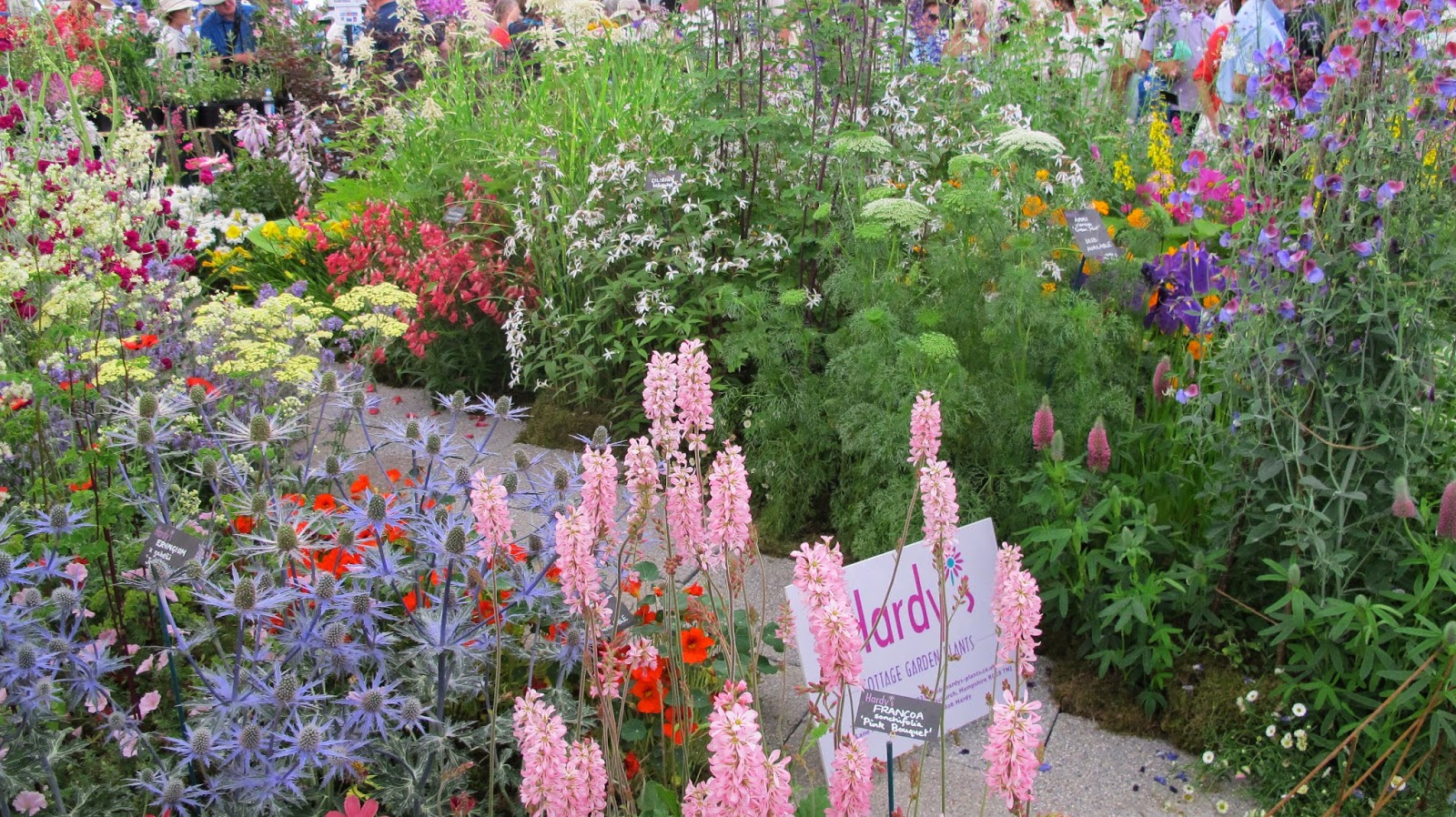
I bought some cowslips (Primula veris) from Hardy's Cottage Garden Plants. I love Hardy's - they always put on a beautiful display at shows, like this display at Hampton Court in 2013. The poppies in the second photo are Papaver commutatum and the stunning white flowers in the third photo are Campanula 'Jenny'.


I've yet to visit their nursery in Hampshire, but it is on my to-visit list, not least because it is near the real Watership Down. Richard Adams' fantastic, epic novel was set in the surrounding countryside, and I long to visit the area one day, as the book and the 1978 film have been favourites of mine since childhood. Cowslip features in the book as a coveted source of food at the beginning, and as a bizarre rabbit in the middle.

I was advised to plant the cowslips in a grassy but unmowed area, and hopefully they will spread. Fingers crossed - I would love to have more of these beauties!


I got some lemon thyme and Moroccan mint from Pennards Plants - another showstopper. These photos are also from Hampton Court last year.


The lemon thyme smells incredible. I bumped into a friend on the train home and got him to smell these amazing herbs.


Finally, I was there for the plant sale before the show finished, when you can buy some of the plants that have been used in displays. I got a Primula auricula from the Silver Gilt medal-winning display by Cath's Garden Plants. I think this is Gold Lace.


Sunday, 30 March 2014

Your Ma's a born lady


I had specific plans about which British flowers I would use for Mothering Sunday, but unfortunately, the local wholesaler had sold out of them at the start of this week (I guess it's a good sign - lots of people wanted to buy local!). The spring flowers I've grown haven't been prolific or tall enough to use in bouquets. So I had to come up with another plan.

My colour scheme was yellow, white, and pink or blue. I bought pink and blue campanulas, although the blue looked lilac. I chose acid-green bupleurum (which has all the zesty brightness of green euphorbia, but without the skin-irritating sap), and white lilacs for their lovely scent and their spring blooms. I also got yellow Guernsey freesias and French mimosa, which both have a sweet scent. There was lots of British foliage - variegated pittosporum, eucalyptus, magnolia, and philadelphus (mock orange blossom).


I used either pink or blue campanulas for each bouquet - most people didn't express any preference for one colour or the other. Known also as Canterbury bells, there is a wonderful entry on them in Anna Trenter's book, The Lore and Language of Flowers:

Canterbury bells “grew in great abundance in oak woods, and carpeted the Kentish countryside around Canterbury, hence its name. It was sacred to St Augustine who began the conversion of English to Christianity in the sixth century and was given the see of Canterbury by the newly converted King Ethelbert of Kent.”  Flower Fairies: The Lore and Language of Flowers by Anna Trenter.


Lilac represents the first emotions of love, and white lilac in particular symbolises youthful innocence, which is a lovely image of childhood. Freesias mean lasting friendship and sometimes when children grow up, that is what develops between parents and their children. Mimosa means sensitivity, bupleurum represents esteem, magnolia stands for memory, and the 'positive' meaning of mock orange is also memory.


People seemed to be going all-out this year - there were several orders for big bouquets, but not many for posies! The posies used more British flowers - forget-me-nots, narcissi, hellebores and pink bluebells. Forget-me-nots represent lasting love and, of course, a request not to be forgotten, narcissi have several meanings, including new beginnings and chivalry, hellebores mean wit and "relieve my anxiety", while bluebells symbolise constancy.


I'll finish with a few lines from The Railway Children, which is one of my favourite books about childhood. The author, Edith Nesbit, lived in Grove Park for a time. The book is set in beautiful countryside - I visited the Yorkshire locations of the 1970 film a few years ago. This is the walk up to Three Chimneys.


The children adore their kind mother who has to take them out of their home and into a strange new town, without their father. Flowers play a big part in the children's lives. Lilac, Canterbury bells, roses, wallflowers and blossom all get mentions, and the eldest daughter, Bobbie's birthday is celebrated with a floral crown and table decorations made of forget-me-nots.

This is when the children have presented the train station porter with gifts for his birthday, which they secretly collected from people in the town:

'"Little Clothes for Mrs Perks's children." Mother said, "I'll find some of Phyllis's things that she's grown out of if you're quite sure Mr Perks wouldn't be offended and think it's meant for charity. I'd like to do some little thing for him, because he's so kind to you. I can't do much because we're poor ourselves."'

Bobbie paused.

'That's all right,' said Perks, 'your Ma's a born lady. We'll keep the little frocks, and what-not, Nell.'